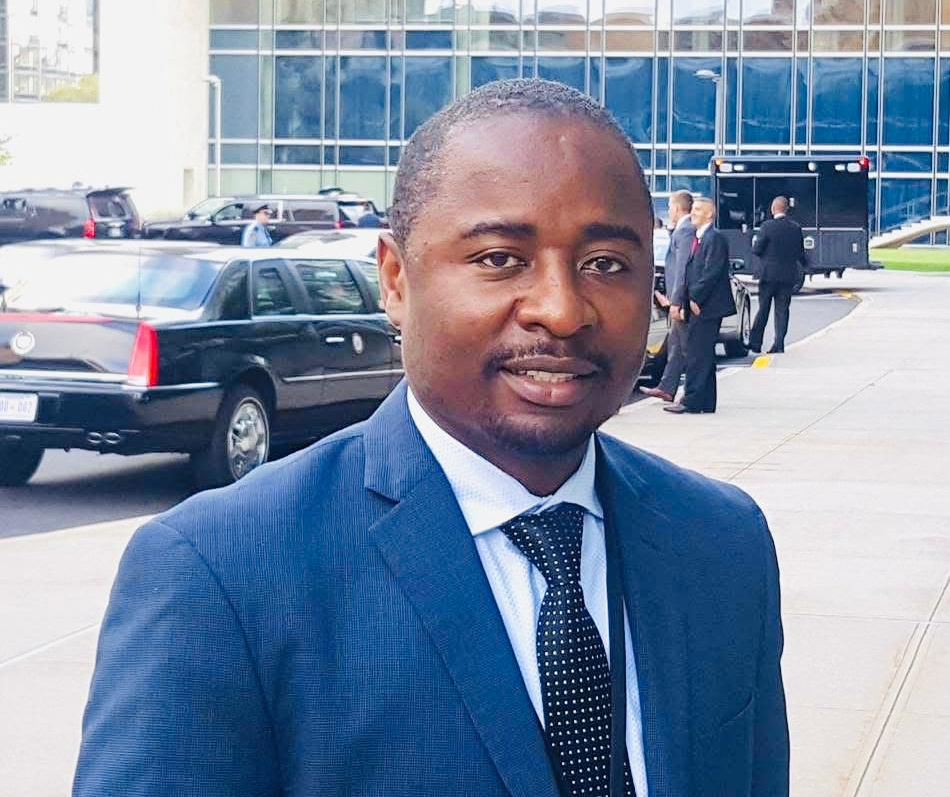
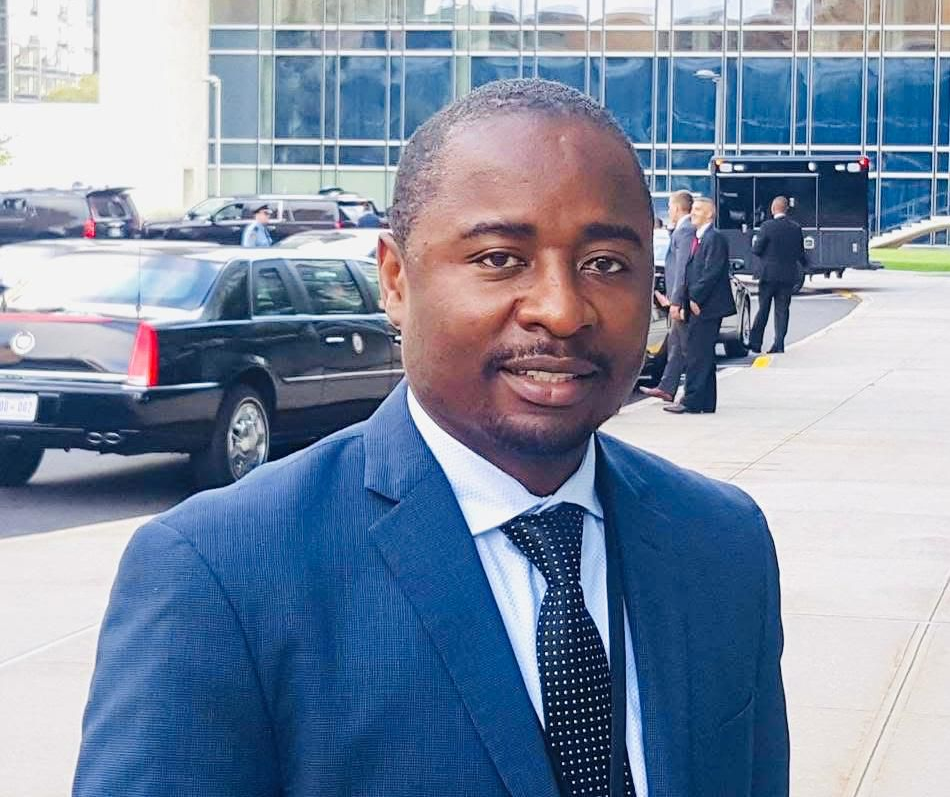
Monrovia – As President Joseph Nyuma Boakai and his administration prepare for the U.S.-Africa Leaders’ Summit scheduled for July 9–11, 2025 in Washington, D.C., a U.S.-based Liberian, Vita Ishmael Tue, is calling on the Liberian leader to make tariff removal a top priority during discussions with the administration of U.S. President Donald J. Trump.
Tue emphasized that President Boakai should use tariff relief as a strategic bargaining chip in any economic deal agreed upon between the two nations.
“President Boakai should demand that tariff removal be paired with United States investments in Liberia’s critical and rare earth minerals,” Tue stated.
“For example, in exchange for access to Liberia’s mineral deposits, the request for zero tariffs must be the foremost demand. By linking cooperation on minerals or security to tariff removal and protections against higher rates, President Boakai can safeguard Liberia’s national interests. This should be framed as a win-win deal.”
President Boakai is one of five African presidents invited by President Trump to attend the high-level summit, which observers say comes at a critical moment for Liberia’s economic trajectory.
Tue echoed this sentiment, stressing that the timing of the summit is pivotal. The summit coincides with the July 9 expiration of the suspension of reciprocal trade tariffs imposed by the Trump administration. On July 6, 2025, U.S. Treasury Secretary Scott Bessent warned that countries failing to engage in tariff negotiations would face increased rates of up to 25%, effective August 1.
According to Tue, this poses a serious threat to Liberia’s economy, particularly as the country strives to expand trade and improve living conditions amid widespread poverty.
“The removal of these tariffs is essential to protect Liberian businesses and fund the country’s development priorities,” Tue said.
The Trump administration’s reciprocal tariff policy targets countries with what it deems unfair trade practices. Liberia currently faces a 10% baseline tariff, and a potential increase could further cripple its limited export capacity.
Tue pointed to World Bank data indicating Liberia’s $4.8 billion economy (as of 2024), with over half the population living below the poverty line. He warned that higher tariffs would stifle growth, reduce trade revenues, and undermine the implementation of President Boakai’s ARREST Agenda, which focuses on infrastructure, health care, education, and poverty alleviation.
The Central Bank of Liberia’s 2023 report showed that Liberia exported US$57.1 million worth of goods to the U.S. Although relatively small, Tue argues that the U.S. market holds enormous untapped potential for Liberia—especially as the country works to improve the quality of its export products.
“The current 10% tariff—and any further increase—would negatively affect trade with the U.S., reducing Liberia’s export earnings and making it harder to fully implement the national development plan,” Tue noted.
“In simpler terms, reduced export revenues would stall President Boakai’s flagship agenda and hurt the lives of ordinary Liberians.”
Tue also highlighted the impending expiration of the African Growth and Opportunity Act (AGOA) in September 2025, warning that Liberia’s export competitiveness would further decline without duty-free access to U.S. markets.
He cautioned that Liberian-owned SMEs exporting agricultural goods such as red palm oil, cassava flour, dried pepper, and dried fish will be hardest hit by the tariffs.
“These tariffs raise costs, shrink profit margins, and threaten the survival of small businesses trying to gain a foothold in international markets,” he said.
Tue, who has more than two decades of experience across both private and public sectors in Liberia and the United States, regularly writes on sustainable development, poverty, unemployment, social justice, and data governance. He holds graduate degrees in Economics, Public Management, and Data Analytics from institutions in Uganda and the United States.
He believes that lifting tariffs on Liberia poses minimal risk to the U.S., while offering a major lifeline for Liberia’s economy. He urged President Boakai to highlight Liberia’s regional security contributions and natural resource potential as leverage during negotiations.
Liberia hosts large-scale mineral operations including ArcelorMittal’s Tokadeh mine (iron ore) and New Liberty Gold Mine, West Africa’s largest commercial gold operation. The country also has lithium deposits, vital for battery manufacturing, and more than 160 kimberlite diamond occurrences, with potential for bauxite, manganese, and phosphate, though much remains underexplored.
“Liberia brings significant value to any bilateral deal with the U.S.,” Tue asserted.
“President Boakai should emphasize Liberia’s mineral wealth and its alignment with America’s strategy to reduce dependency on Chinese supply chains.”
He described the upcoming summit as a defining moment for President Boakai and Liberia as a whole.
“With less than a day to go, this summit is Liberia’s chance to shape its economic future and establish itself as a trusted partner to the Trump administration in Sub-Saharan Africa,” Tue said.
“By leveraging our mineral riches and historical ties with the U.S., President Boakai can secure tariff relief, enabling equitable trade and investment that directly benefit the Liberian people.”
He concluded by urging the Boakai administration to view the summit through the lens of national empowerment and shared prosperity.
“President Boakai must act boldly to ensure that Liberia’s voice is heard and that our economic path is shaped by fairness, opportunity, and self-reliance.”
The post Liberia: U S.-Based Liberian Calls on President Boakai to Champion Tariff Removal at U.S.-Africa Leaders’ Summit appeared first on FrontPageAfrica.